
Flight delays and cancellations are always frustrating, and many passengers immediately wonder if they’re entitled to flight compensation EU261. While EU Regulation 261/2004 protects air travelers in many situations, there are certain circumstances where airlines aren’t legally required to pay compensation — even if your plans are disrupted.
Here’s a guide to the most common situations when you can’t claim EU flight compensation, and what EU passenger rights you still have.
Check your compensation online.
Flight Compensation EU261: Situations When Airlines Don’t Have to Pay
Under EU law, not every flight delay or cancellation qualifies for flight compensation EU261.
There are exceptions to compensation. Here are the most common ones.
1. Extraordinary Circumstances
The most common reason compensation claims are rejected is when a delay or cancellation occurs due to extraordinary circumstances. These are situations beyond the airline’s control, where it’s not possible to avoid the disruption even if all reasonable measures were taken.
What are extraordinary circumstances?
- Severe weather conditions (storms, snow, heavy fog)
- Air traffic control strikes or restrictions
- Political instability or security threats
- Terrorism
- Natural disasters such as volcanic eruptions or earthquakes
- Pandemics
- Bird strikes
- Sudden runway closures
In these cases, Austrian Airlines doesn’t owe compensation — but your right to care still applies. This means they must offer meals, drinks, hotel accommodation (if needed), and transport between the hotel and airport while you wait. Read more about your right to care.
2. When the Flight Disruption Is Caused by Airport or ATC Issues
If your flight is delayed or cancelled because of airport operations or air traffic control (ATC) restrictions, it’s considered outside the airline’s responsibility.
For example, if airspace is congested or an airport temporarily closes due to safety concerns, airlines can’t influence the situation. So, you are not entitled to compensation as it’s not Austrian Airlines’ fault.
While you won’t receive flight compensation EU261, the airline still must:
- Provide assistance, care and updates; and
- Rebook you on the next available flight or offer a refund (in case of a cancellation).
If your flight is cancelled due to an air traffic control strike, it’s also considered an extraordinary circumstance, and you are not entitled to flight delay compensation/flight cancellation compensation.
However, if it’s an Austrian crew and staff strike, you may be eligible to receive strike compensation!
3. Technical or Safety Issues Deemed Unavoidable
Not all technical problems qualify for compensation.
If it’s a hidden manufacturing defect or damage caused by foreign objects (like bird strikes or debris), it may fall under extraordinary circumstances.
However, if the issue results from poor maintenance or operational error, you may still be eligible for compensation. Airlines often cite “technical issues” to reject claims, so it’s worth verifying the true cause before accepting their explanation.
4. Delays of Less Than Three Hours
Under EU Regulation 261/2004, you can only claim compensation if your arrival at the final destination is delayed by three hours or more.
This means:
- A flight that arrives 2 hours and 59 minutes late doesn’t qualify.
- The arrival time is measured when at least one aircraft door is opened at the gate — not when the plane lands.
Even without compensation, if the delay causes you to miss a connection, you still have the right to rebooking or a refund, and care.
What if you miss your connection because your first flight was delayed by two hours, and you arrive at your final destination more than three hours late? In that case, you may be entitled to missed connection compensation, which is essentially the same as flight delay compensation. When you have a connecting flight, your final destination is what counts — the delay is calculated based on your arrival time at the end of your entire journey, not just one leg of the trip.
5. Flights Outside EU Jurisdiction
EU Regulation 261/2004 applies only to:
- Flights departing from an EU airport, regardless of airline; and
- Flights arriving in the EU, but only if operated by an EU-based airline.
So, if you fly from a non-EU country to another non-EU destination on a non-EU airline, the regulation doesn’t apply — and you’re not entitled to flight compensation EU261. Similarly, if you fly to the EU on a non-EU airline, the regulation also doesn’t apply.
However, keep in mind that if you travel with a UK airline, you are protected under UK261, the UK’s version of the EU regulation.
This means:
- If you fly from the UK (regardless of airline) to the EU or a third country, you’re protected.
- If you fly from a third country to the UK on a UK airline, you’re also protected.
- But if you fly to the EU or UK on a non-EU and non-UK carrier, neither EU261 nor UK261 will apply.
Example: A flight from New York to Zurich operated by United Airlines would not qualify, because the airline isn’t EU-based.
6. Missed Connections Due to Passenger Fault
If you miss your connecting flight because you didn’t allow enough transfer time, arrived late at the airport, or failed to comply with boarding requirements, the airline isn’t responsible — and compensation doesn’t apply. You aren’t entitled to care from the airline either.
However, if your connection was missed due to the airline’s delay, you may still be entitled to both compensation and rebooking at no extra cost.
7. Flights Cancelled Well in Advance
If your flight is cancelled but you’re notified more than 14 days before departure, you’re not eligible for compensation.
That said, you still have the right to:
- A full refund, or
- A rebooking on a different date that suits your travel plans.
The rule only applies when the airline cancels less than 14 days before departure and it’s within their control.
If your flight is cancelled last minute, you may be entitled to flight compensation EU261.
8. Denied Boarding for Personal Reasons
If you’re denied boarding because of:
- Missing travel documents,
- Visa issues,
- Arriving late at the gate,
- Security or health restrictions,
you can’t claim compensation.
Compensation for denied boarding only applies when you’re involuntarily bumped from an overbooked flight despite having valid documents and a confirmed seat.
Keep in mind that you may need a visa for self-transfer flights. If you don’t have a visa for online travel registration, you may be denied boarding, and you won’t get flight compensation.
Also, keep in mind that travel insurance doesn’t cover denied boarding caused by invalid visas or passports.
Your Rights Even Without Compensation
Even if your situation doesn’t qualify for EU flight compensation, you still have important rights as an air passenger. Under EU Regulation 261/2004, airlines must:
- Offer meals, refreshments, and accommodation when waiting for rebooking (called ‘right to care‘);
- Provide transport between the airport and hotel if overnight stays are needed; and
- Refund your ticket if you decide not to travel.
You Are Entitled to Compensation, but Flight Compensation Claim Rejected?
Sometimes, airlines deny compensation claims even when passengers are legally entitled to it.
This can happen for various reasons — for example, the airline might wrongly classify the disruption as an extraordinary circumstance, such as a technical fault or staff shortage, to avoid payment.
In other cases, they may reject claims due to incomplete documentation or administrative errors.
If you believe your claim was unfairly denied, you can appeal the decision, contact the National Enforcement Body (NEB) in your country, or use a flight compensation service to help verify and pursue your rights. Our partners offer such services.
Check your compensation online.
Do you have more questions about EU flight compensation? Ask in the comments.
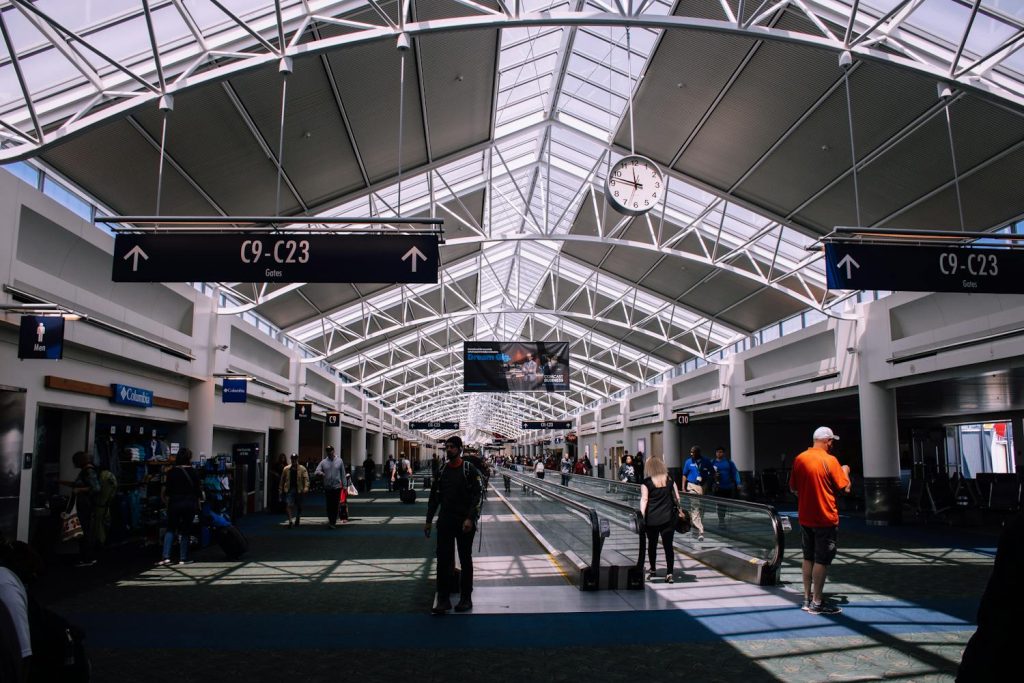
Featured photo by Leeloo The First from Pexels